

Wales is made for campervan travel. Compact distances, dramatic shifts in landscape, and a sense of remoteness that never feels too far from civilisation. For families especially, it offers a rare balance of wild places, accessible adventures, and towns that feel welcoming rather than overwhelming.
This 14-day itinerary is designed to move slowly. It prioritises time over miles, calm over box-ticking, and places that genuinely reward staying put for a couple of nights. Along the way, we’ll also share practical insights into what actually matters in a campervan on a trip like this, not specs for the sake of it, but real considerations that make travelling with children more enjoyable.
| Days | Area | Typical Drive | What to Expect | Quiet Overnight Potential | Wildlife Chances |
|---|---|---|---|---|---|
| 1–2 | South Wales Coast | Cardiff → Gower ~1.5 hrs |
Easy coastal walking, wide beaches and a gentle start with good facilities. | Clifftop lay-bys and rural lanes away from main beaches. | Seabirds and seals along quieter stretches of coast. |
| 3–4 | Pembrokeshire | Gower → Pembrokeshire ~2 hrs |
Rugged coastline, coastal path walks and small historic towns. | Inland pull-ins and quieter coastal viewpoints. | Dolphins, seals and coastal birdlife. |
| 5–7 | Mid & North Wales | Pembrokeshire → Aberystwyth / Snowdonia ~3–3.5 hrs |
Mountains, steam railways, stone villages and castles. | Mountain valleys and forestry tracks away from honeypots. | Red kites, deer and wide open hill landscapes. |
| 8–10 | North Coast & Anglesey | Snowdonia → Anglesey ~2 hrs |
Open coastlines, island walks and historic castles. | Coastal roads with sea views, especially out of season. | Seabirds, seals and marine life. |
| 11–12 | Dee Valley & Brecon Beacons | Anglesey → Brecon Beacons ~3 hrs |
Rivers, waterfalls, dark skies and slower travel. | Remote valleys and high ground with minimal light pollution. | Owls, bats, wild ponies and star-filled skies. |
| 13–14 | Hay-on-Wye & Borders | Brecon → Cardiff ~2.5 hrs |
Bookshops, market towns and an unhurried final leg. | Riverside edges and quiet farmland pull-ins. | Birdlife and peaceful river corridors. |

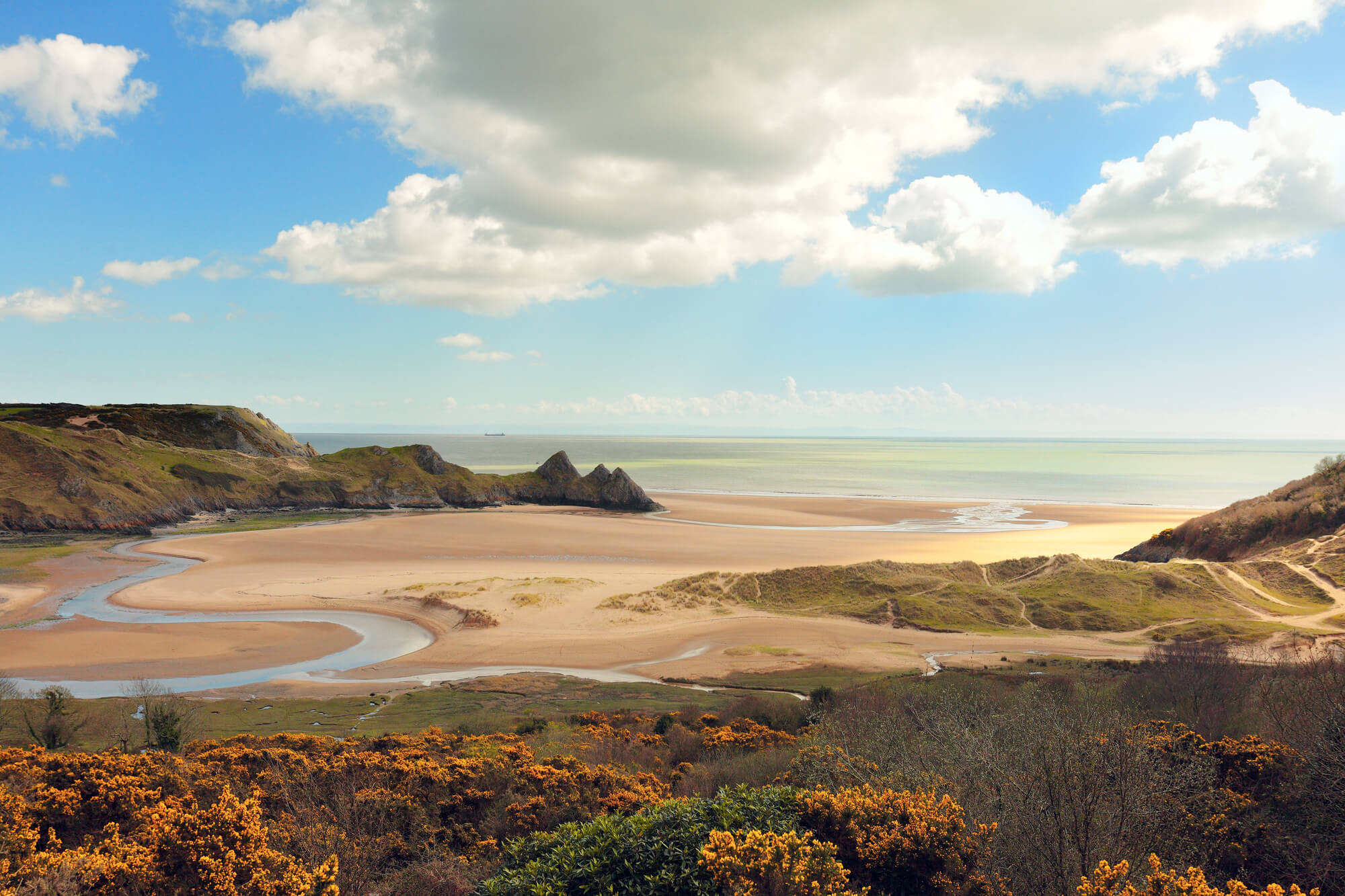
Days 1–2: South Wales Coast (Cardiff & the Gower)
Quiet places to slow down
Beyond the popular beaches, the western end of the Gower offers calmer corners, particularly around Rhosili Downs and the lanes leading towards Llangennith. Early mornings and midweek evenings are noticeably quieter, especially outside peak summer weeks.
Wildlife to look out for
From the clifftops near Worm’s Head, keep an eye out for grey seals hauled out on rocks below. Offshore, seabirds including guillemots and razorbills are common, particularly after calmer weather. At dusk, the salt marshes inland attract wading birds and barn owls.
Why it works early in the trip
Facilities are good, distances are short, and it eases you into slower travel without committing to long drives straight away.
Days 3–4: Pembrokeshire Coast
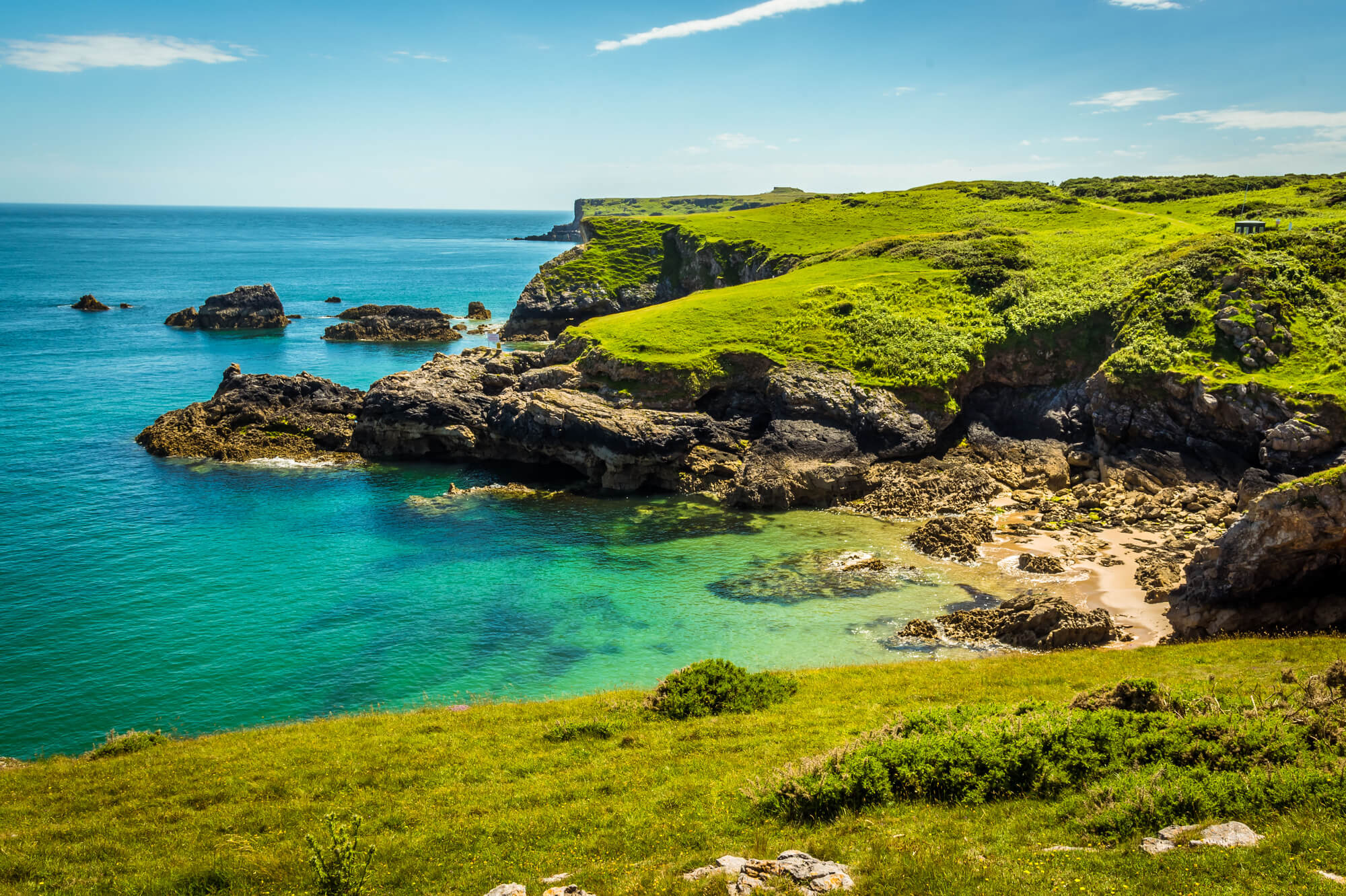
Quiet coastal stretches
While spots like Tenby and St Davids draw crowds, the coastline between Marloes Sands and St Brides Bay feels more open and less pressured. Inland lanes near Bosherston offer discreet places to stop, particularly outside school holidays.
Wildlife highlights
This is one of the best areas in Wales for marine wildlife. From clifftop paths near Strumble Head, dolphins and porpoises are regularly spotted in calmer seas. Seal pups can be seen later in the year around quieter coves.
Best time to explore
Early morning coastal walks or golden hour evenings give you the best balance of light, calm conditions, and fewer people.
Days 5–7: Mid & North Wales (Aberystwyth & Snowdonia)
Mountain calm without the crowds
Instead of heading straight for Snowdon, consider the valleys around Cwmystwyth or the lesser-used roads through Dyffryn Ardudwy. These areas retain a sense of scale and solitude even in busier months.
Wildlife encounters
Red kites are a daily sight inland around Aberystwyth and the Cambrian Mountains, often circling low over fields. In Snowdonia’s quieter valleys, deer are most visible at dawn and dusk, especially along forest edges.
Overnight atmosphere
Higher ground brings wind and exposure, but also big skies and a feeling of remoteness that defines this leg of the journey.

Days 8–10: North Coast & Anglesey
Slower island travel
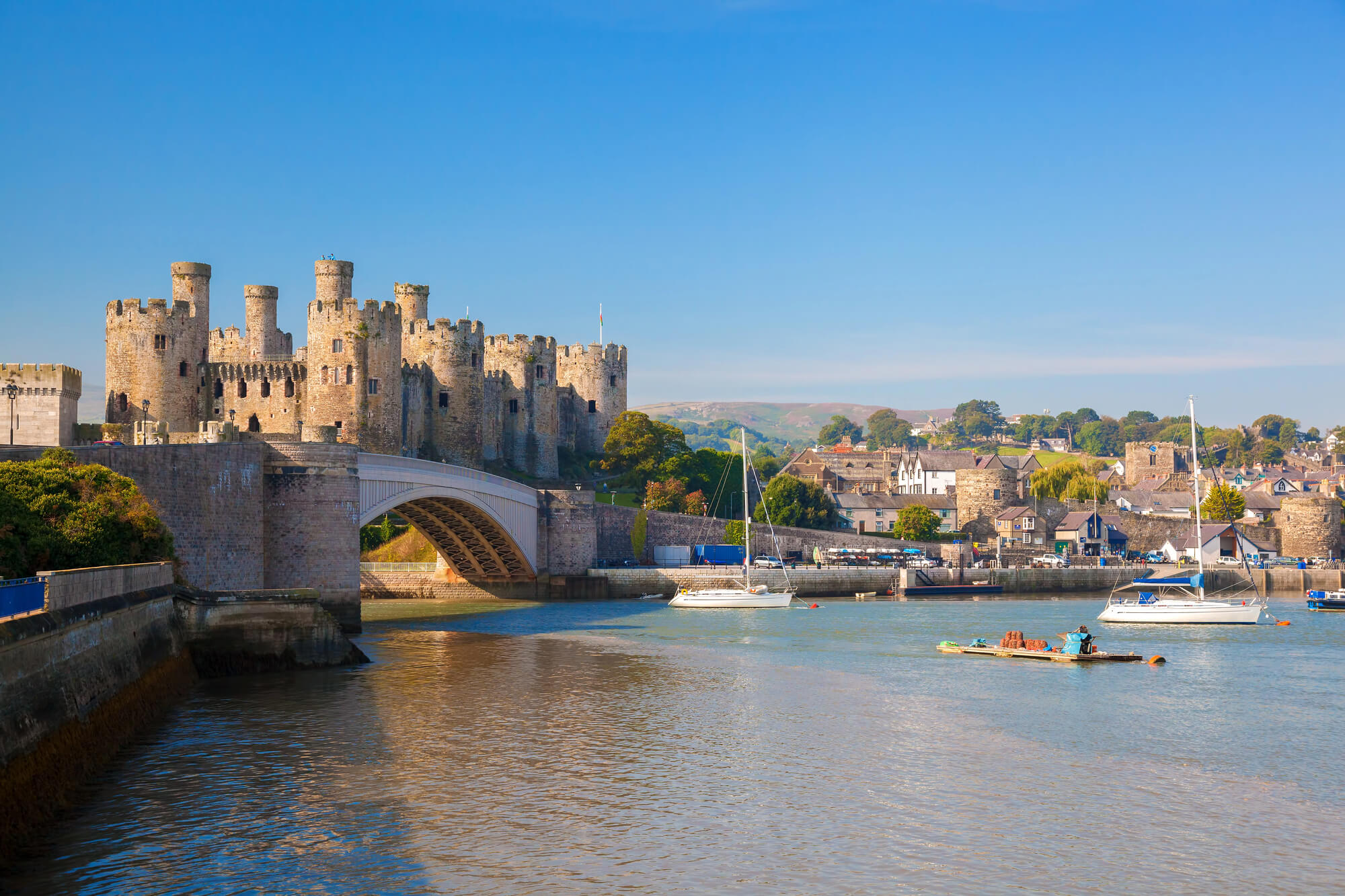
Anglesey rewards patience. The west and north coasts, particularly around Cemlyn Bay and Church Bay, feel far removed from the mainland. Coastal roads here encourage unhurried exploration rather than destination-hopping.
Wildlife to watch for
Anglesey is excellent for seabirds, including terns and cormorants, while seals are frequently seen resting on rocks at low tide. Clear evenings sometimes bring spectacular light over the Irish Sea.
Why Anglesey stands out
The combination of open space, coastal air, and gentle pacing makes this one of the most restorative sections of the trip.
Days 11–12: Dee Valley & Brecon Beacons
Dark skies and quiet valleys
The Usk Valley and less-trodden areas of the Brecon Beacons offer some of the darkest skies in southern Wales. Higher passes and remote valleys feel especially calm once day visitors have left.
Wildlife after dark
Owls are regularly heard at night, and bats are common around woodland edges and rivers. In open areas, wild ponies can sometimes be spotted grazing on higher ground.
Best experience
This leg is less about ticking off landmarks and more about slowing the pace completely. Evenings here tend to be the most memorable.
Days 13–14: Hay-on-Wye & the Welsh Borders
Gentle landscapes to finish
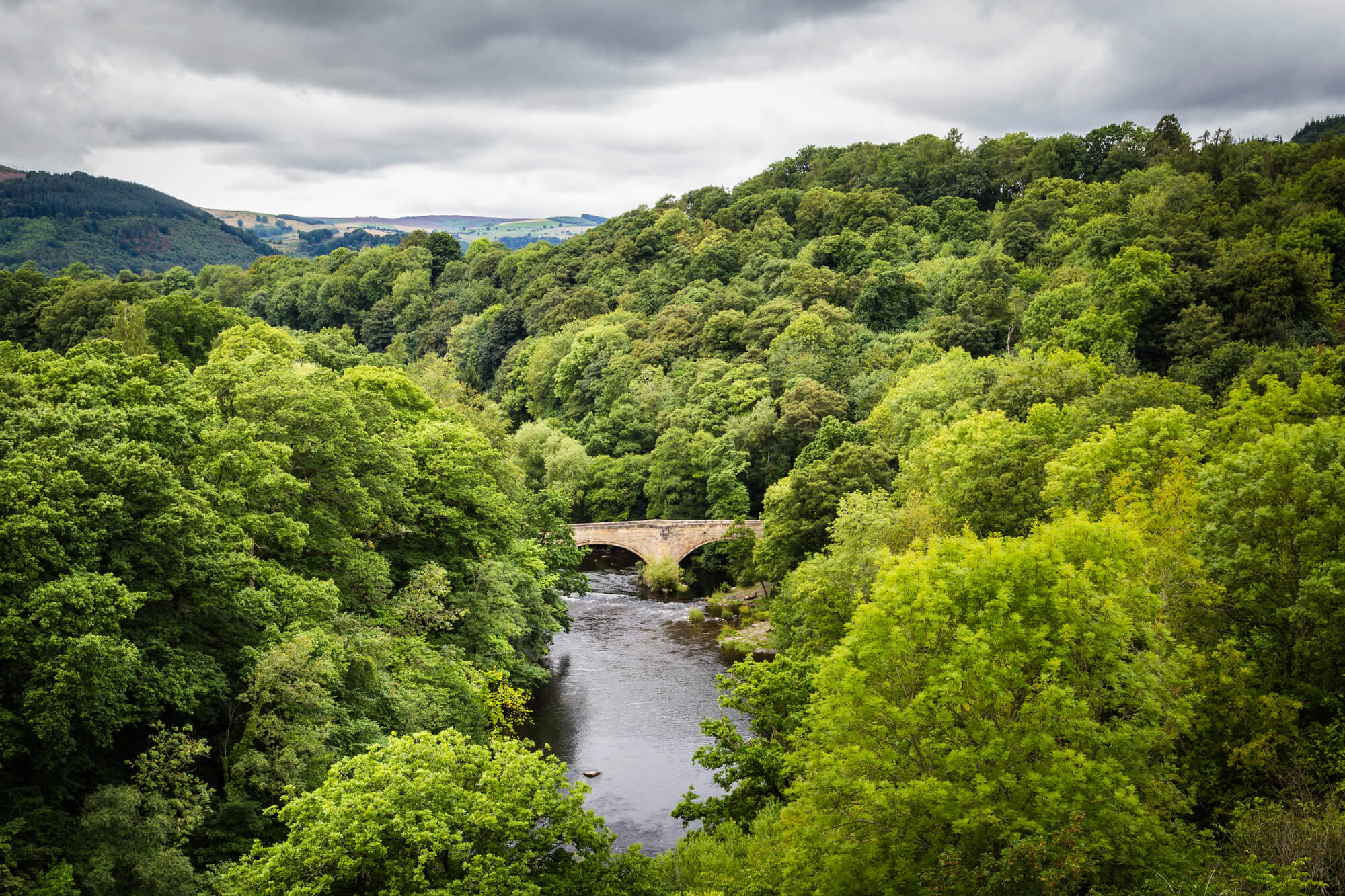
The rolling countryside around Hay-on-Wye offers a softer end to the journey. Riverside walks along the River Wye are calm, scenic, and ideal for stretching your legs without effort.
Wildlife and atmosphere
Kingfishers, herons, and other river birds are often seen along quieter stretches. Early mornings bring mist and stillness that feel distinctly different from the coast or mountains.
Why it works as a finale
This is a natural place to decompress before returning home – unhurried, green, and quietly reflective.

Wales rewards those who travel slowly. By choosing quieter roads, lesser-known valleys, and time over mileage, you experience a country that feels expansive, wild, and deeply grounding – especially when your campervan feels like a calm place to return to at the end of each day.
