

Retirement is meant to feel like freedom.
But for a lot of couples, travel still ends up feeling like effort.
Booking windows. Check-in times. Packing. Cancellations. And that quiet pressure to make the most of every trip because it costs so much.
A campervan changes that.
Not as a midlife impulse buy, and not as a gimmick. More as a long-term lifestyle investment that makes it easier to get away more often, stay out longer, and travel in a way that actually feels restful.
Domestic travel is still huge in the UK. In Q3 2025 alone, £25.2 billion was spent on domestic tourism, with 27 million overnight trips and 286 million day visits recorded.
That’s not just interesting. It’s a signal. People still want to get away. The shift is towards travel that feels simpler, more flexible, and easier to repeat.

Is a campervan a good retirement investment in the UK?
It can be, because it does not just buy you a holiday. It buys you access to travel.
A campervan makes it easier to:
- head out for 2–4 nights without overplanning
- travel in spring and autumn, often the best months
- stay longer when somewhere feels right
- bring your own comforts with you every time
And because it’s always ready, you actually use it.
The average UK overnight trip now costs around £356, with holiday trips closer to £412. Do that a few times a year, every year, and the numbers stack up quickly.
A campervan does not eliminate that spend. It turns it into something you get repeated value from.
What should you look for in a campervan for retirement?
If you’re buying once and keeping it, prioritise what will still matter in 5–10 years:
1) A bathroom you’ll actually use
2) Heating you trust in UK weather
3) Off-grid electrics that feel hands-off
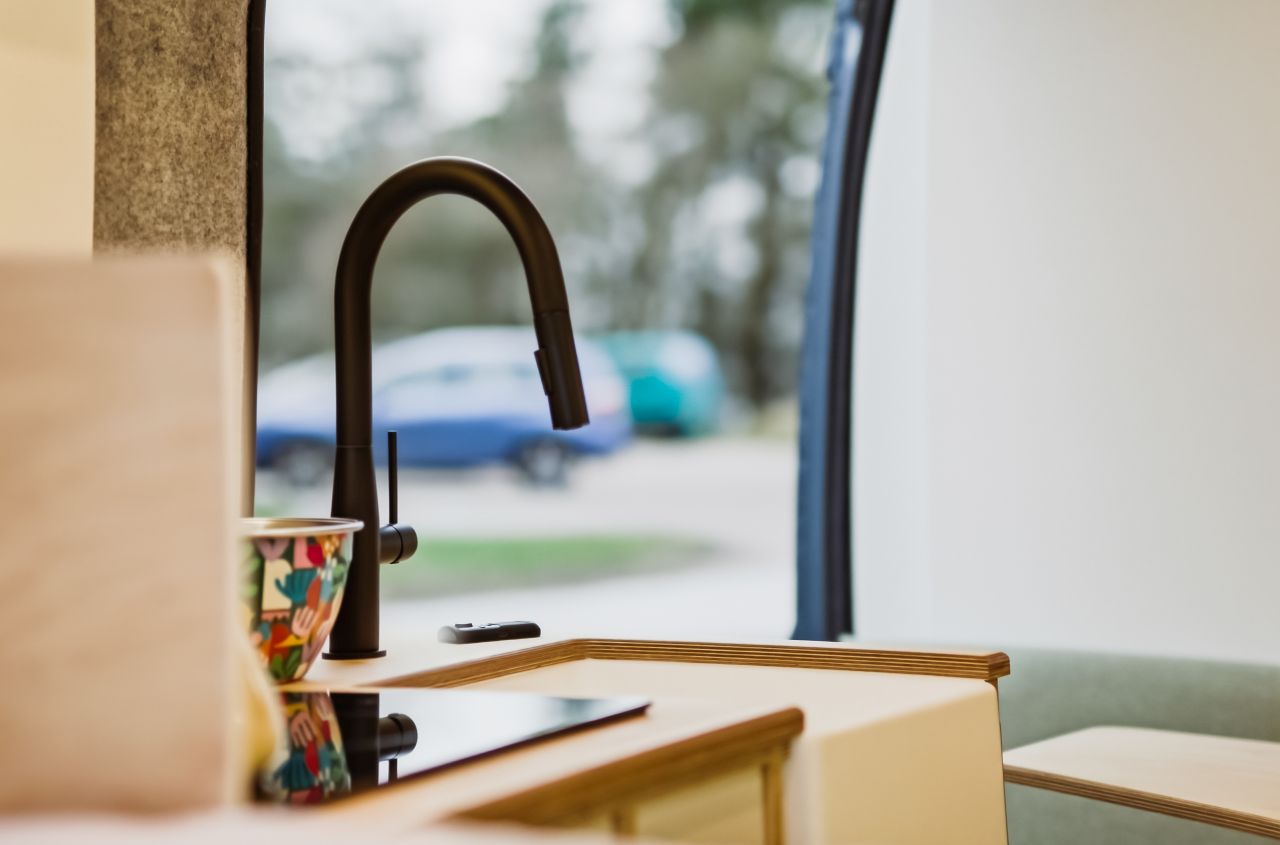
4) A calm layout with proper storage
5) Flexibility for grandkids, without losing comfort for two
These are the things that decide whether the van becomes part of your life, or something you slowly drift away from.
What is the biggest mistake people make when buying a retirement campervan?
They buy a campervan that works for a weekend away, but not for real life.
If you’re 45–60, this is likely to be a one-time purchase. You are not looking to change again in a few years. You want to buy once and get it right.
So instead of focusing on finishes first, focus on usability:
- Bathroom: will you actually use it?
- Heating: will you want to travel outside peak summer?
- Electrics: does it feel simple, or like a system to manage?
- Storage: does the van stay calm, or get cluttered quickly?
- Layout: will it still work if your travel style evolves?
Client Spotlight:
“We future-proofed it… and now the grandkids come too.”
George and Annie built their van for themselves. Coastal weekends. Slower trips. More time outdoors.
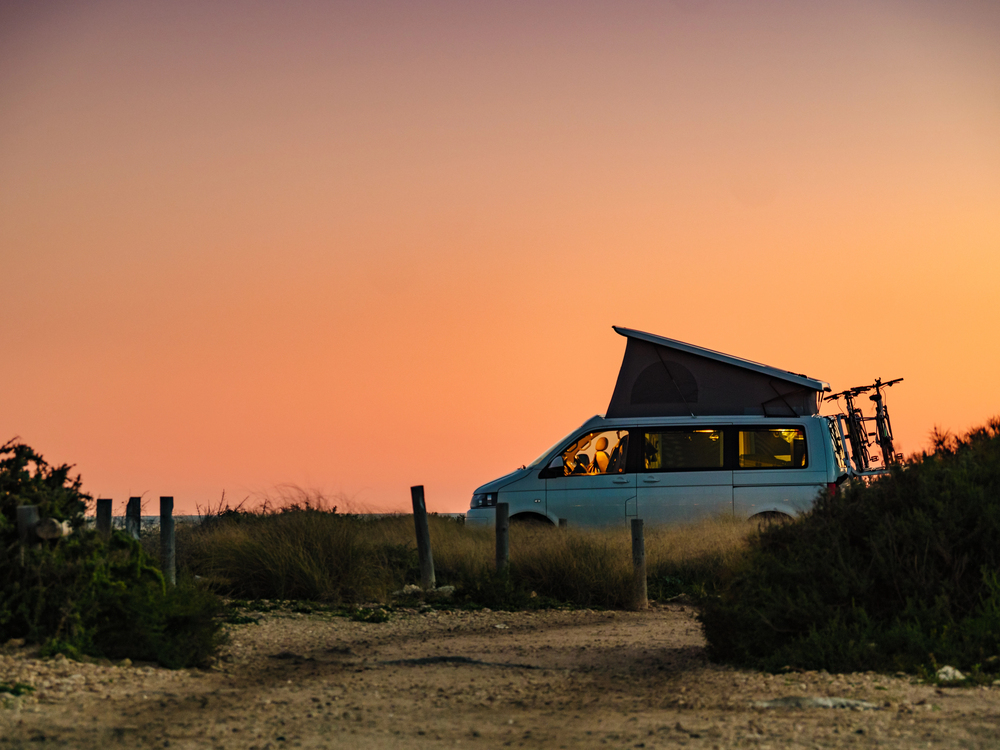
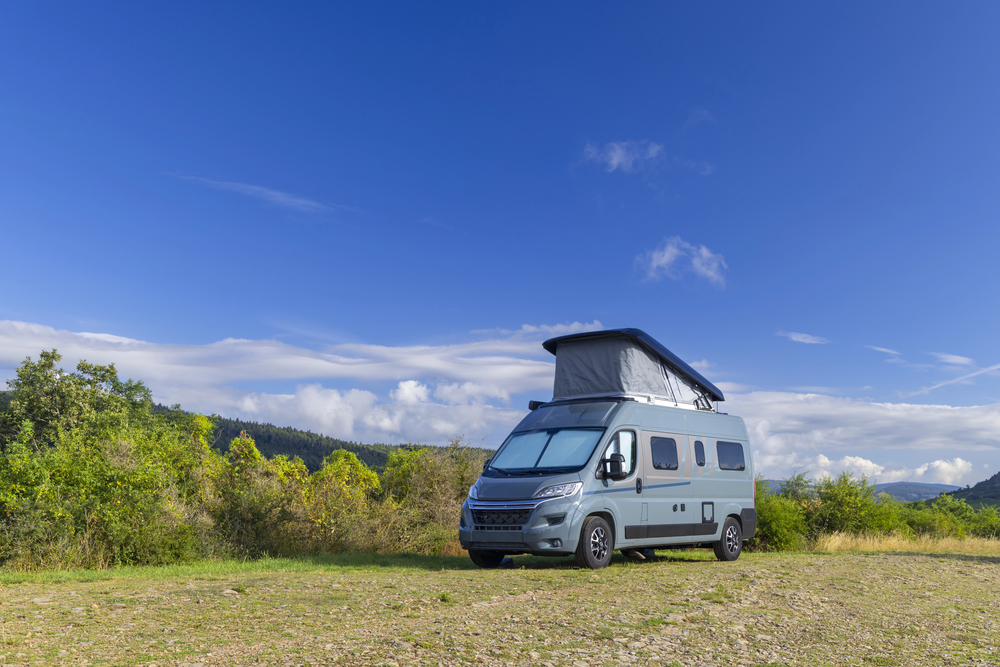
But they added a pop-top early on, with collapsible ladders, simply to give themselves options.
Now they regularly take the grandkids away, and Annie’s Instagram is full of beach days, simple trips, and proper family memories.
“We built it for us… but adding the pop-top means the grandkids can join whenever we fancy.”
Explore our
campervan packages
Whether you’re planning weekends in the Peaks or long trips into Europe, our packages are designed for calm, capable off-grid travel.
Do you really need a shower and toilet in a retirement campervan?
If you want real freedom, yes.
It is the difference between:
- heading home because you have to
- staying because you want to
A good setup means you are not planning every stop around facilities.
In a well-designed van, it should feel like a natural part of the space:
- durable shower tray
- considered finishes
- simple, low-fuss toilet system
Is off-grid campervan living complicated?
It shouldn’t be.
A good system feels like:
- everything runs quietly in the background
- solar keeps things topped up
- you can check battery levels easily if you want
- you are not constantly thinking about power
If you are thinking about it all the time, it is not designed right.
Why are so many couples choosing LPG-free campervans?
Because it simplifies everything.
- no gas bottles
- no refills
- fewer systems to worry about
- a cleaner, more modern setup
It is not about trends. It is about making the van easier to live with.
How often do people actually use a campervan in retirement?
More than they expect.
Most trips tend to be:
- 2–4 nights
- short drives rather than long hauls
- more frequent in spring and autumn than peak summer
It becomes part of your routine, not a once-a-year event.

How much does a retirement-ready campervan cost in the UK?
This is usually the point where people pause.
A well-built, off-grid, bathroom-equipped campervan designed to last typically sits around £70,000 all-in.
| Option | What it feels like | Outcome after 2–3 years |
|---|---|---|
| Premium build | Warm, calm, off-grid capable, easy to use | Used often, kept long-term |
| Hotel travel | Comfortable but requires planning every trip | Used less than expected |
| Budget conversion | Good in summer, more compromise overall | Often upgraded or used less |
This is not about saving money. It is about spending it once, on something you will actually use.
What is the best campervan layout for retirement?
It depends how you like to spend time inside the van.
Cosy + zoned (NOMA style)
- defined lounge
- snug feel
- great for quieter trips
- works well with grandkids
Open-plan + airy (NARA style)
- more space and light
- sociable feel
- fewer visual barriers
- calm, uncluttered layout
Neither is better. It is about how you want to live in it.
Is a campervan worth it for retirement in the UK?
Yes, if you use it. The value comes from how easy it makes travel. Most owners take more trips, not bigger ones.
Do we really need a shower and toilet?
If you want flexibility, yes. It removes the need to rely on campsites and makes spontaneous trips much easier.
Is off-grid living complicated?
It shouldn’t be. A good system runs in the background and is easy to check via an app.
What does LPG-free mean?
No gas bottles. It’s a simpler, cleaner setup with fewer things to manage.
What layout is best for retirement?
Cosy layouts suit quieter trips. Open-plan layouts suit a lighter, more spacious feel.
Can we still bring grandkids?
Yes. Many couples design their van for two, with flexibility for occasional family trips.
Is a campervan easy to drive?
Modern vans are surprisingly easy to drive, with good visibility and driver aids like reversing cameras.
Can you use a campervan all year in the UK?
Yes, with proper insulation and heating, many owners travel comfortably in spring, autumn and even winter.
How much should we budget?
A well-built, long-term campervan is typically around £60,000 all-in.
How far ahead should we enquire?
Early. Good builders often book months in advance, and early conversations help you avoid costly mistakes.
Ready to build it
properly?
If this guide helped, you’re already thinking seriously about your own campervan. We design calm, capable builds for real travel, with layouts and systems that work in the real world.
Prefer to browse first? See past projects
