
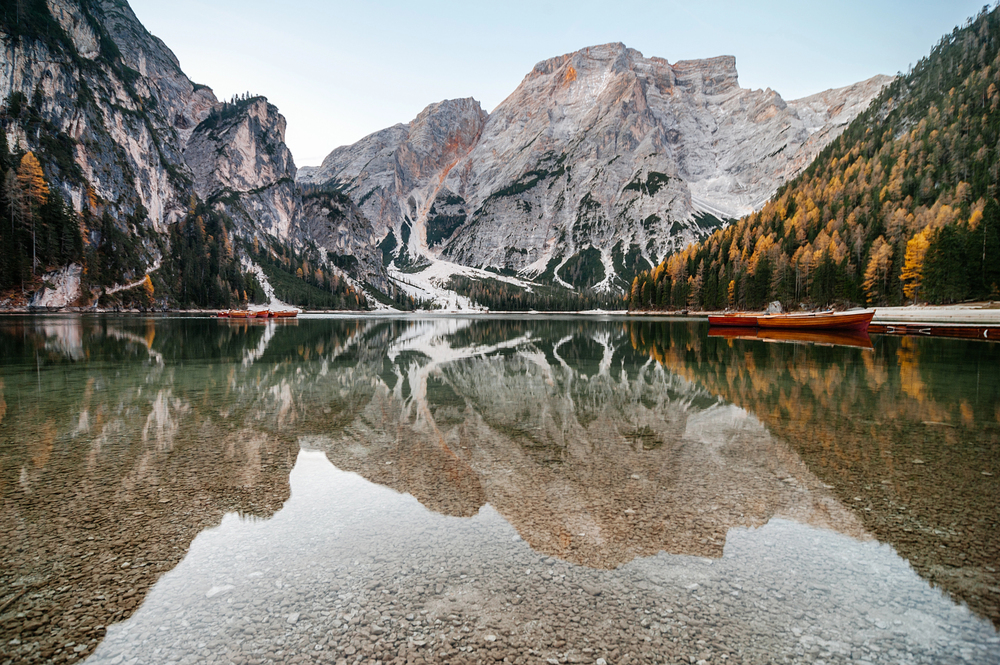
A Bhode conversion is built for the Alps as much as the Algarve.
But crossing the Channel requires more than just a capable van. It requires a plan.
Every year we meet customers at our Sheffield workshop on the edge of the Peak District preparing for their first continental trip. Before they leave, we walk them through the same essentials: border systems, power logistics, water quality and the practical realities of travelling thousands of miles from home.
Whether you’re setting off from the North of England or the South Coast, the fundamentals of travelling Europe by campervan remain the same.
Once understood, the continent opens up.
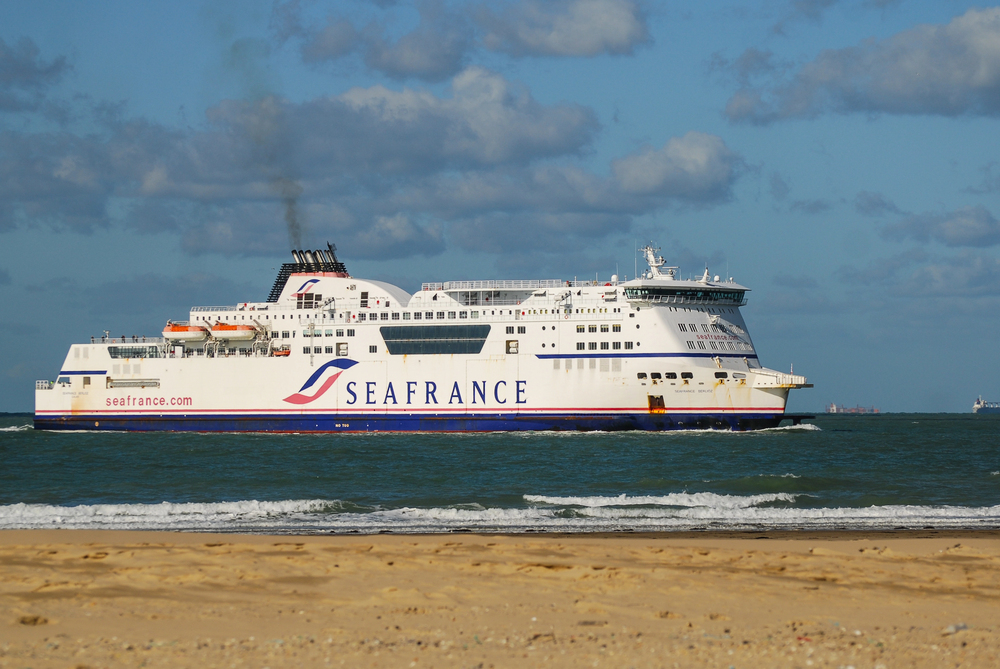
Crossing the Channel
Efficiency matters when you’re starting a long journey.
For campervan travellers, two routes dominate.
Eurotunnel (Le Shuttle)
The benchmark for speed and predictability.
Duration: 35 minutes (Folkestone → Calais)
Experience: Remain inside your vehicle
Best for: Fast crossings and travelling with pets
If your campervan contains LPG gas bottles, they must be declared during booking and turned off before boarding.
Ferry Routes
Slower, but strategically useful depending on your route.
Hull → Rotterdam
Often the logical choice for travellers leaving from Yorkshire, Manchester or the North East.
Portsmouth → Spain
Ideal for longer trips to Iberia, saving up to two full days of driving across France.
During summer, many sailings sell out months in advance.
The 2026 Border Reality (EES & ETIAS)
From April 10, 2026, the EU introduced the Entry/Exit System (EES).
Passport stamps have been replaced by a digital record. When entering the Schengen Area you may be asked for:
• a facial recognition scan
• digital fingerprints
Your entry and exit are then logged electronically.
The 90 / 180 Rule
UK travellers can spend 90 days within any 180-day period inside the Schengen Area.
The new EES system tracks this precisely, so keeping track of your travel days is more important than ever.
A simple Schengen calculator app can make this easy.
What’s Next: ETIAS
Later in 2026, the EU plans to introduce ETIAS, an online travel authorisation similar to the US ESTA.
It will apply to travellers entering the Schengen Area from visa-exempt countries such as the UK.
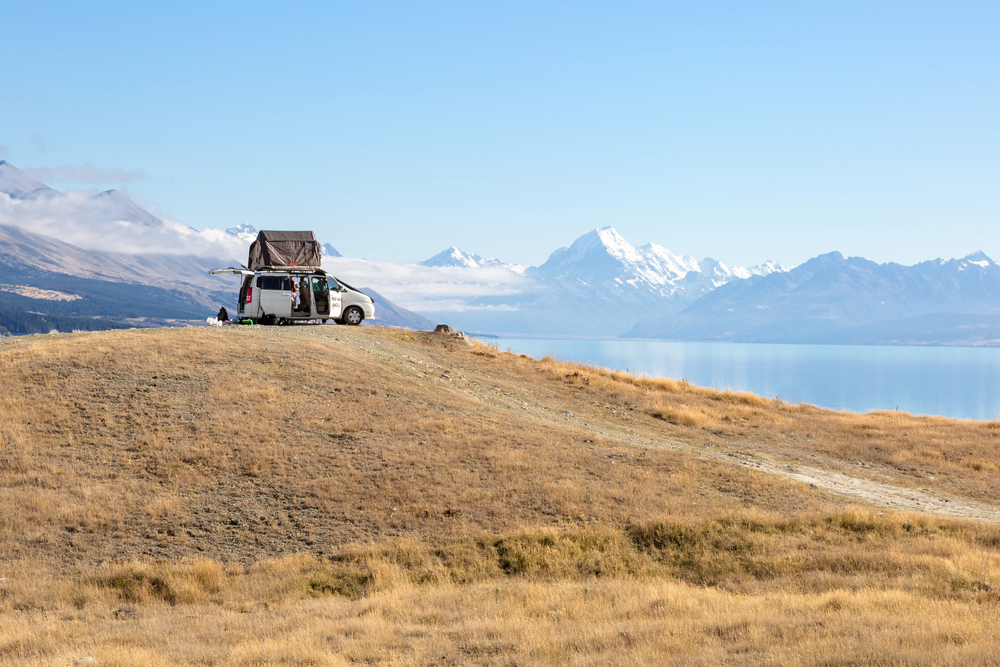
Explore our
campervan packages
Whether you’re planning weekends in the Peaks or long trips into Europe, our packages are designed for calm, capable off-grid travel.
Driving on the Continent
The biggest adjustment when driving in mainland Europe is simply driving on the right-hand side of the road.
A useful reminder is:
Keep yourself closest to the centre line.
Most drivers adapt within the first hour.
Speed Limits for Campervans (Under 3.5t)
| Country | Motorway | Rural | Urban |
|---|---|---|---|
| France | 110 km/h | 80 km/h | 50 km/h |
| Germany | 130 km/h* | 100 km/h | 50 km/h |
| Italy | 110 km/h | 90 km/h | 50 km/h |
| Spain | 120 km/h | 90 km/h | 50 km/h |
*Recommended Autobahn speed.
The French Gendarmerie are particularly strict regarding 30 km/h village limits, so it’s best to stay within the posted speeds.
Tolls and Vignettes
European motorway systems operate in several different ways.
Toll Booth Systems
Countries such as France, Spain and Italy use motorway toll booths.
Drivers either:
• take a ticket and pay at the exit
• pay by card
• use an electronic toll tag
Many regular travellers install tags such as Fulli or Bip&Go, which automatically open toll barriers.
Vignette Systems
Countries including Switzerland and Austria require prepaid motorway passes known as vignettes.
These are usually purchased online before entering the country.
I am raw html block.
Click edit button to change this html

Low Emission Zones
Many European cities operate low emission zones to reduce pollution.
Examples include:
• Paris
• Berlin
• Antwerp
• Milan
France requires a Crit’Air emissions sticker, which should be ordered before travelling.
Engineering for the Continent
Where many UK campervans struggle in Europe is not on the roads.
It’s within the systems that power the vehicle.
Two areas are particularly important: gas and power.
Removing Gas from the Equation
Traditional campervans often rely on bottled gas for cooking and heating.
The difficulty is that UK bottles cannot easily be exchanged abroad.
Travellers often find themselves searching unfamiliar towns for compatible connectors.
Our approach is simply to design the problem out.
At Bhode we eliminate gas entirely. By using high-capacity lithium battery systems, solar charging and induction cooking, the van becomes independent of local gas infrastructure.
It’s quieter, safer and far simpler when travelling across borders.
Water Quality Across Europe
Tap water across most of Western Europe is safe to drink.
However the taste can vary considerably.
| Region | Typical Water Profile |
|---|---|
| Northern Europe | neutral and soft |
| Southern Europe | chlorinated or mineral rich |
For this reason many campervan owners install drinking water filtration systems.
Bhode vans include an inline charcoal water filter positioned just before the tap, removing chlorine and improving taste whether you fill up in the Peak District or the Pyrenees.
Staying Connected While Travelling
Roaming limits can quickly become frustrating when travelling through Europe.
Many UK mobile plans cap roaming data between 12GB and 25GB.
Local SIM Cards
Providers such as Free Mobile (France) or WindTre (Italy) offer generous data allowances at low cost.
Many travellers simply purchase a local SIM card.
Onboard Campervan Wi-Fi
Modern campervans can also include 4G or 5G routers that accept any SIM card.
This creates a mobile hotspot inside the van, allowing multiple devices to connect without relying on phone tethering.
For a deeper look at staying connected on the road, read our guide to campervan Wi-Fi and mobile internet.
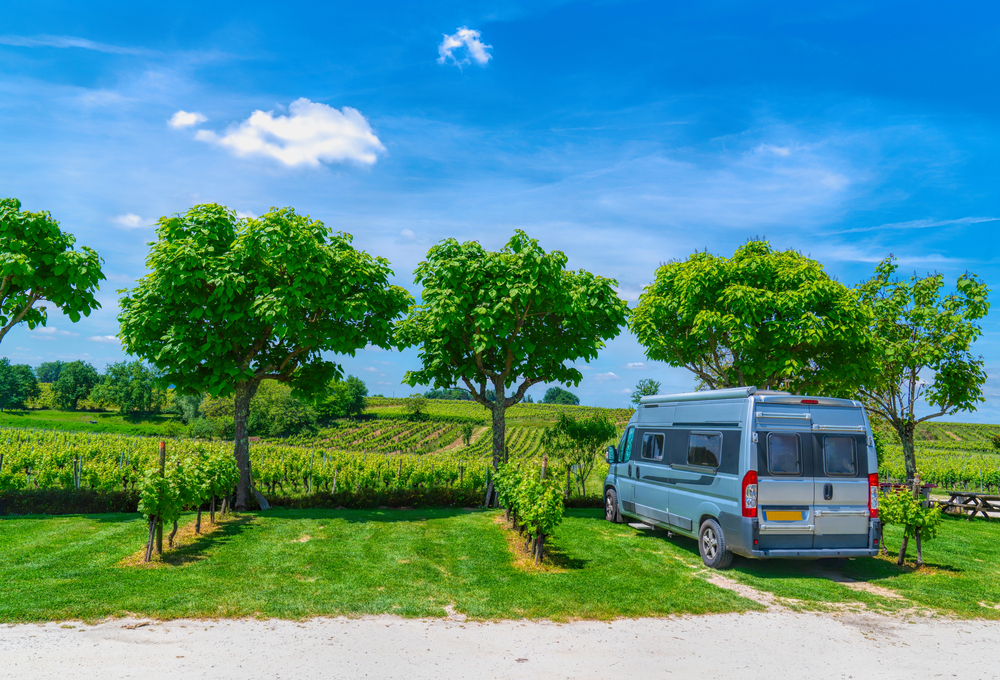
Climate Across Europe
European climates vary more than many travellers expect.
You might wake up to snow in the Alps one week and park beside a Mediterranean beach at 35°C the next.
Good insulation plays a major role in maintaining comfort.
Effective insulation helps stabilise internal temperatures, keeping the van cooler during hot days and warmer during colder nights.
For travellers spending extended time in southern Europe or North Africa, some choose to install roof-mounted air conditioning systems for additional comfort.
Finding Quiet Places to Stay
Two tools have become essential for campervan travellers.
Park4Night
One of the most widely used campervan travel apps in Europe.
It helps locate:
• overnight parking areas
• wild camping spots
• campsites
• scenic stopovers
Checking recent reviews is important as regulations change frequently.
France Passion
France Passion offers overnight stays at vineyards, farms and rural producers across France.
Travellers stay overnight and support the host by purchasing local produce.
It remains one of the most authentic ways to experience rural France.
A Few Insider Realities
After travelling Europe by campervan, a few patterns become clear.
• Avoid the péage motorways where possible. National roads are slower but far more scenic.
• Diesel is often cheaper in Spain and Luxembourg.
• Historic Italian city centres frequently operate ZTL traffic zones monitored by cameras.
• Campsites in southern Europe often close reception during the siesta window (13:00–16:00).
The 10-Minute Pre-Departure Check
Before leaving the UK, check:
✓ tyre pressures
✓ oil and coolant levels
✓ spare wheel or repair kit
✓ European breakdown cover
✓ reflective vests for each passenger
✓ Crit’Air sticker and vignettes
✓ navigation apps downloaded
Five minutes here can save hours later.
The Long Road South
A well-designed campervan should feel equally at home on a narrow Alpine pass or a quiet Atlantic coastline.
Once the logistics are understood, travelling Europe by campervan becomes remarkably simple.
And the further you travel, the more those small engineering decisions inside the van start to matter.
It’s the kind of problem we spend a lot of time thinking about in our Sheffield workshop on the edge of the Peak District.
Ready to build it
properly?
If this guide helped, you’re already thinking seriously about your own campervan. We design calm, capable builds for real travel, with layouts and systems that work in the real world.
Prefer to browse first? See past projects
