
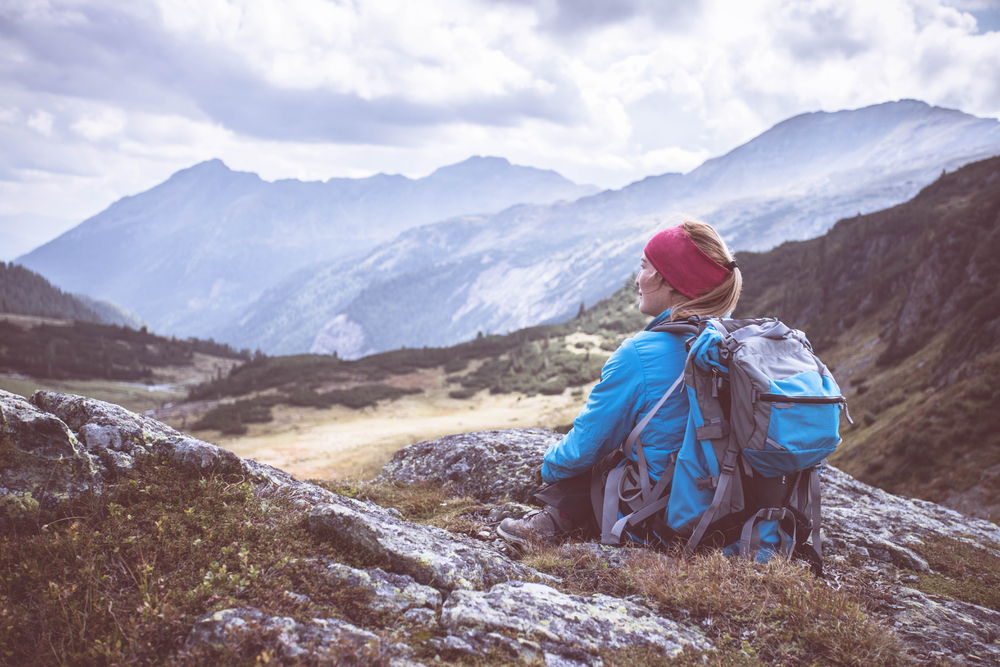
The conversation rarely begins with battery capacity, heating systems or the size of the fridge. More often, it begins with a sentence that has been waiting several years to be said.
I have always wanted to do this.
Sometimes the children think she is mad. Friends may be encouraging but quietly doubtful. Occasionally, she has already visited several campervan companies and found nothing that feels as though it was designed with her in mind.
Then she arrives at the Bhode Vans workshop.
The women we meet are not usually trying to abandon ordinary life. They are not selling the house, giving away their possessions or adopting the full-time “van life” identity that fills social media.
They want something more measured.
A long weekend beside the coast. A month in Scotland. The freedom to travel through France without booking every hotel in advance. A warm, comfortable place of their own at the end of a walking day. Somewhere to work for a few hours before closing the laptop and opening the doors to a view.
For a growing number of women in their forties, fifties and sixties, a campervan has become a practical way to reclaim time, independence and a sense of possibility.
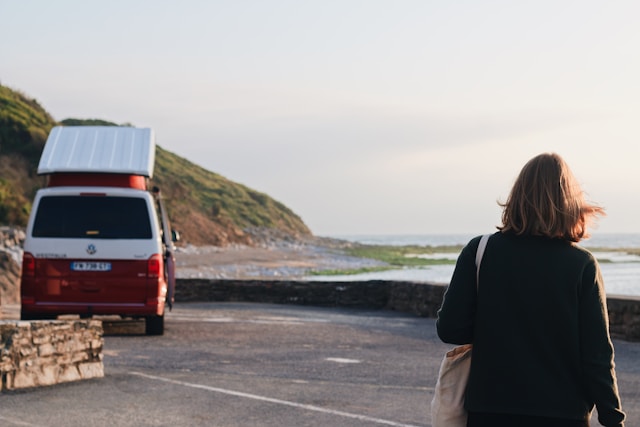
The point at which life opens up
There is no single event that creates a solo female campervan traveller.
For some, the idea becomes possible after retirement. The working week loosens its grip, and trips no longer need to be compressed into annual leave or bank holiday traffic.
For others, flexible or remote work has changed the calculation. A reliable internet connection means Thursday and Friday can be spent working from a forest site, with the weekend already underway when the laptop closes.
Life changes can also be less straightforward. A marriage ends. Children leave home. A parent dies. The future that had seemed settled suddenly becomes open, whether or not that openness was initially wanted.
It is easy to describe these moments as a new chapter, but that can make them sound cleaner than they are. Change often arrives with grief, uncertainty, relief and guilt mixed together.
A campervan does not resolve any of that. What it can offer is movement. It gives shape to time that might otherwise feel empty, provides somewhere to go and creates a reason to imagine the months ahead differently.
Even a modest journey can shift the atmosphere of a week.

Turning an inheritance into experience
We have heard several versions of the same story.
A woman inherits money after losing a parent. She wants to use it well, but “using it well” begins to feel like a moral question. Saving the money seems responsible. Spending it on herself feels harder to justify.
A campervan sits somewhere between an asset and an experience. It is a substantial purchase, but it also unlocks years of journeys, landscapes and ordinary mornings in unfamiliar places.
Some customers describe it as the final gift their parent gave them.
The van does not replace the person they lost, and the journeys do not soften the loss into something neat or sentimental. Instead, the money is allowed to carry a story forward. A week on the west coast of Scotland, a summer through France or a quiet few days in Northumberland can become privately connected to that parent.
There is no universal right way to use inherited money. Keeping it invested may be the sensible choice for one person. For another, turning part of it into a fuller way of living may be equally considered.
The decision is allowed to be personal.

Explore our
campervan packages
Whether you’re planning weekends in the Peaks or long trips into Europe, our packages are designed for calm, capable off-grid travel.
A different version of van life
The phrase van life can be unhelpful.
It often suggests full-time travel, tiny budgets, surfboards, communal parking areas and a life documented through carefully framed sunsets. That world exists, but it is not the only version of campervan ownership.
Many of the women we work with still have a home, a routine and commitments they value. They are not trying to disappear. They want the option to leave.
The campervan might be used for forty nights a year or a hundred and twenty. It may spend a fortnight touring the Highlands, then sit on the drive for several weeks while normal life resumes. It might usually be travelled in alone, but occasionally carry a friend, grandchild or adult son or daughter.
The appeal lies in knowing that a gap in the diary can become a trip. A promising weather forecast can turn into two nights beside the sea. Visiting a friend at the other end of the country no longer requires a hotel, and a walking holiday can continue for as long as the weather and inclination allow.
A campervan does not need to become your entire life to alter its possibilities.
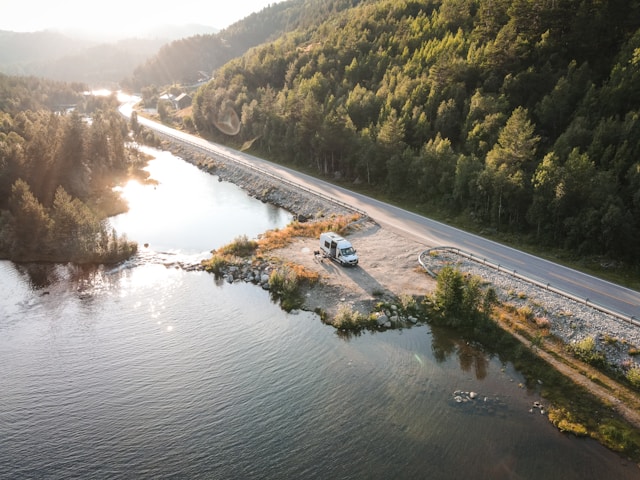
The absence of negotiation
Solo travel is sometimes presented as a test of character. It is described as brave, bold or fearless, as though the woman setting off must become a different person before she is entitled to enjoy it.
Most of the solo travellers we meet are not interested in proving anything. They are drawn to the absence of negotiation: leaving when they are ready, stopping when somewhere looks interesting, spending three hours in a town another person might find dull, or changing direction because the weather is better on the opposite coast.
Meals happen when they are hungry. Mornings begin without discussion. Silence does not need to be filled.
For women who have spent decades organising family life, accommodating other people’s preferences or carrying the invisible planning behind every holiday, complete ownership of the day can feel unfamiliar at first.
It can also become one of the quiet pleasures of travelling alone.
Adventure does not belong to the young
There is a persistent idea that adventure belongs to a particular stage of life.
It appears in the imagery used to sell travel and in the reactions women sometimes receive when they mention buying a campervan. At a certain age, independence is treated as surprising rather than ordinary.
In reality, women beginning solo travel in their fifties and sixties often arrive with advantages their younger selves did not have. They know what they enjoy and are less inclined to tolerate uncomfortable situations for the sake of appearing easy-going. Many have more financial stability, greater control over their time and decades of experience making decisions under pressure.
They may not want the most physically demanding version of an adventure. They may prefer a good mattress, reliable heating, an onboard bathroom and the certainty that the morning coffee does not depend on finding an open café.
None of this makes the experience less adventurous. It simply means comfort and independence have been considered together.
Age can also bring a useful reduction in self-consciousness. Arriving alone at a campsite, restaurant or coastal village becomes less about how it might look and more about whether it is enjoyable.
The date on a driving licence has very little to do with the appetite to go somewhere new.
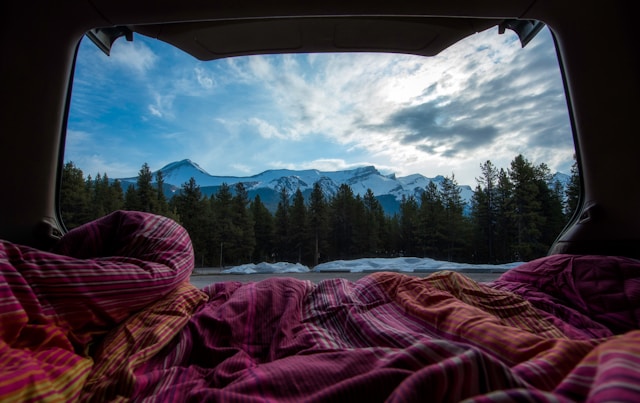
A room of your own, wherever you go
A campervan offers something that hotels, tents and package holidays do not quite replicate: a familiar private space that moves with you.
The bed is yours. The coffee is where you left it. The lighting is familiar, the heating works in the way you expect, and the book beside the seat is still there when you return from a walk.
That continuity matters, particularly when travelling alone. The outside world can change every day while the interior remains calm and recognisable.
This is one reason design matters so much to our customers.
The women we meet often place particular value on natural light, comfortable seating, thoughtful storage and a colour palette that feels settled rather than purely functional. They are imagining the destination, but also the hours spent inside when the weather turns or the evening draws in.
A campervan needs to work at four o’clock on a wet Tuesday as convincingly as it does with the rear doors open to a bright coastal view.
At Bhode, we tend to begin with questions about how someone wants to use the space rather than what equipment can be fitted into it. Where will she sit with coffee? Does she want a permanent bed? Will she work inside the van? How important is an onboard shower? Which everyday items need to be accessible without moving three others first?
Those answers shape the layout far more effectively than a catalogue of optional equipment.
Beyond the screen full of graphs
Our audience generally does not want technology for the pleasure of owning technology.
She wants the heater to work. She wants enough power for the way she travels. She wants to know when the water is running low and to charge her phone without thinking about it.
For women who continue working remotely, onboard Wi-Fi may be essential. A strong mobile-data setup or Starlink can extend a weekend into a working week and make longer travel possible without stepping away from professional commitments.
The systems should still disappear into the background.
A screen full of graphs may impress one owner and irritate another. Complexity is not inherently premium. For many solo travellers, the real luxury is returning from a cold walk, pressing one clear control and knowing the van will soon be warm.
Robust, understandable systems also support independence. The owner does not need to become an electrical engineer, but she should know how the van behaves, how to check the essentials and who to contact when something is not right.
A well-designed system reduces the number of small decisions competing for attention.
Solitude without disconnection
One of the most persistent concerns around solo travel is loneliness. It is reasonable. A quiet landscape can feel restorative for several hours and rather different after three wet days.
What is often missed is that travelling alone does not commit someone to permanent solitude. It allows her to decide when she wants company and when she would rather close the door.
Women-only campervan communities have become an important part of this. Members exchange advice, arrange informal meet-ups and let others know where they plan to stay. Some friendships remain limited to an occasional walk or shared drink. Others develop into longer arrangements where women travel near one another while maintaining separate vans and plans.
That model suits people who value independence. There is company when it is wanted, but no obligation to organise an entire journey around someone else.
Campsites, walking groups, small touring sites and repeated visits to favourite places can also create familiarity over time. Solo travellers may leave home alone, but they are rarely moving through an entirely empty world.
Confidence arrives afterwards
Potential owners often assume they need to feel confident before buying a van or travelling alone. In practice, confidence tends to arrive afterwards.
It comes from the first night that passes without incident, the first successful reverse into a pitch and the first evening when the heater starts, dinner is cooked and the doors are locked while rain falls outside.
Then comes the longer drive, the first trip without every campsite booked in advance, the first ferry and perhaps the first journey abroad.
None of these experiences transforms someone overnight. They provide evidence that she can manage the next one.
We see the change in the conversations. At first, the concern is whether the van will feel too large. Later, it is whether to take the western or eastern route through France. Familiarity gradually replaces the imagined difficulty of travelling alone.
Confidence is rarely a prerequisite. More often, it is the result of having gone.
When the people who love you are worried
Children often worry.
They imagine breakdowns, dark car parks and every alarming story they have ever read. Their concern is usually an expression of care, but it can still weaken confidence if the person planning the trip is already uncertain.
The most useful response is practical rather than defensive. Explain the type of places you intend to stay, agree how often you will check in and make sure the van, insurance and breakdown cover are appropriate for the journeys being planned.
Once the first journeys are underway, concern usually begins to soften. Photographs arrive, locations are shared and the van returns home intact.
In time, the family conversation often moves away from whether she should go and towards where she plans to travel next.
The campervan was never really the point
The van matters. It needs to be reliable, comfortable and designed around the person who will use it. But the vehicle itself is rarely the deepest reason someone makes the purchase.
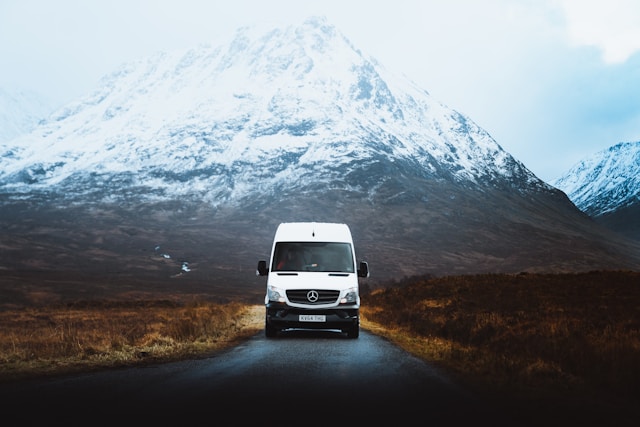
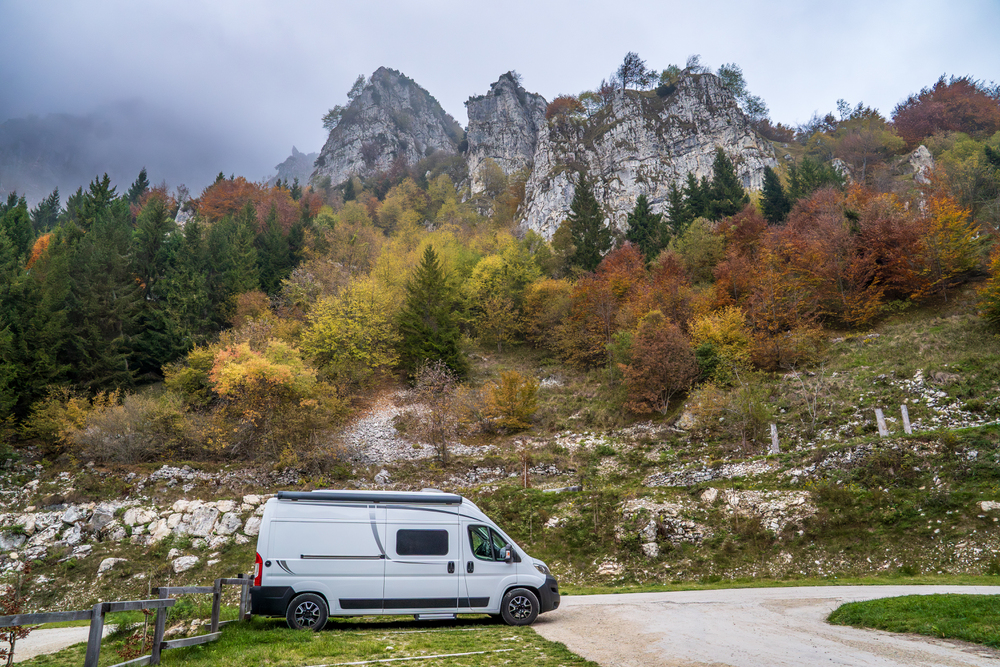
What she is really choosing is access to places she has postponed visiting, time that belongs entirely to her, and evenings in a familiar room parked beside a mountain, woodland or stretch of coast.
She may be using money connected to loss. She may be rebuilding after a relationship ends. She may simply have reached a point where waiting no longer feels necessary.
The campervan turns a broad desire for freedom into something practical. It can be packed, driven and parked. The first trip might be a nearby campsite for one night; a few years later, it may be Croatia.
The distance matters less than the fact that the decision is now hers.
At Bhode Vans, we have helped many women design campervans for this particular kind of independence. The conversations are rarely about escaping life. They are about making more room within it.
Ready to build it
properly?
If this guide helped, you’re already thinking seriously about your own campervan. We design calm, capable builds for real travel, with layouts and systems that work in the real world.
Prefer to browse first? See past projects
